
Living with knee osteoarthritis can be exhausting. Every movement feels like a reminder that something is not quite right. For many, surgery seems too extreme, while conventional steroid injections offer short-lived relief. In recent years, a new treatment — Arthrosamid injection — has captured attention as a longer-term option for easing pain and improving mobility. Patients across the UK are asking what they can realistically expect before and after Arthrosamid.
This article takes an independent, evidence-based look at those expectations, focusing on outcomes, safety, and Arthrosamid injection cost UK. It draws from available research and clinical experience from trusted UK specialists such as Dr Syed Nadeem Abbas, MBBS, MRCS (Edinburgh), MRCGP, MSc Aesthetic Plastic Surgery (Distinction, Queen Mary University of London).
Understanding Arthrosamid Injection
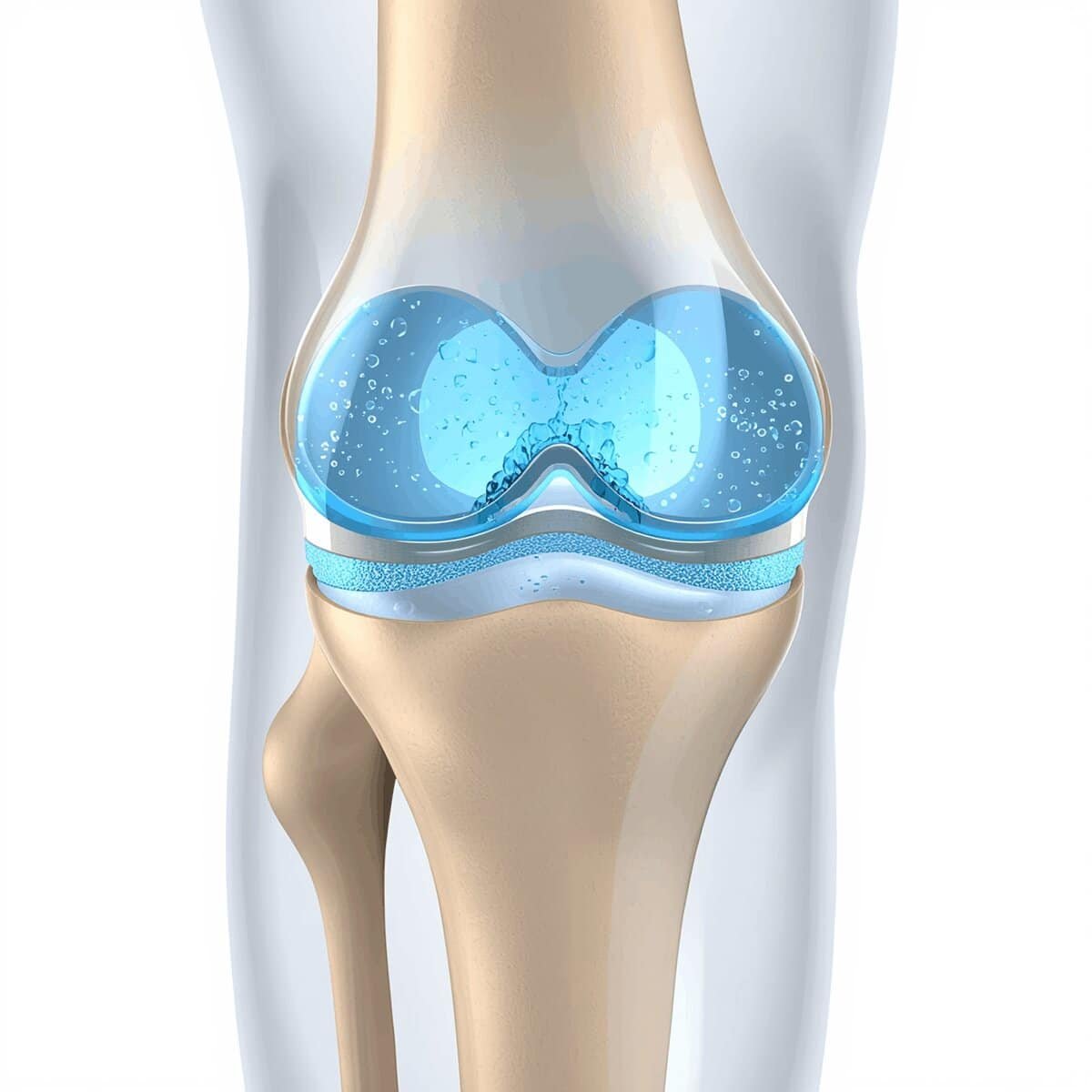
Arthrosamid is an innovative injectable treatment for knee osteoarthritis. It contains a non-biodegradable hydrogel made of water and a polyacrylamide network. The purpose is to cushion and lubricate the joint. It is not a replacement for cartilage but a way to restore comfort in everyday movement.
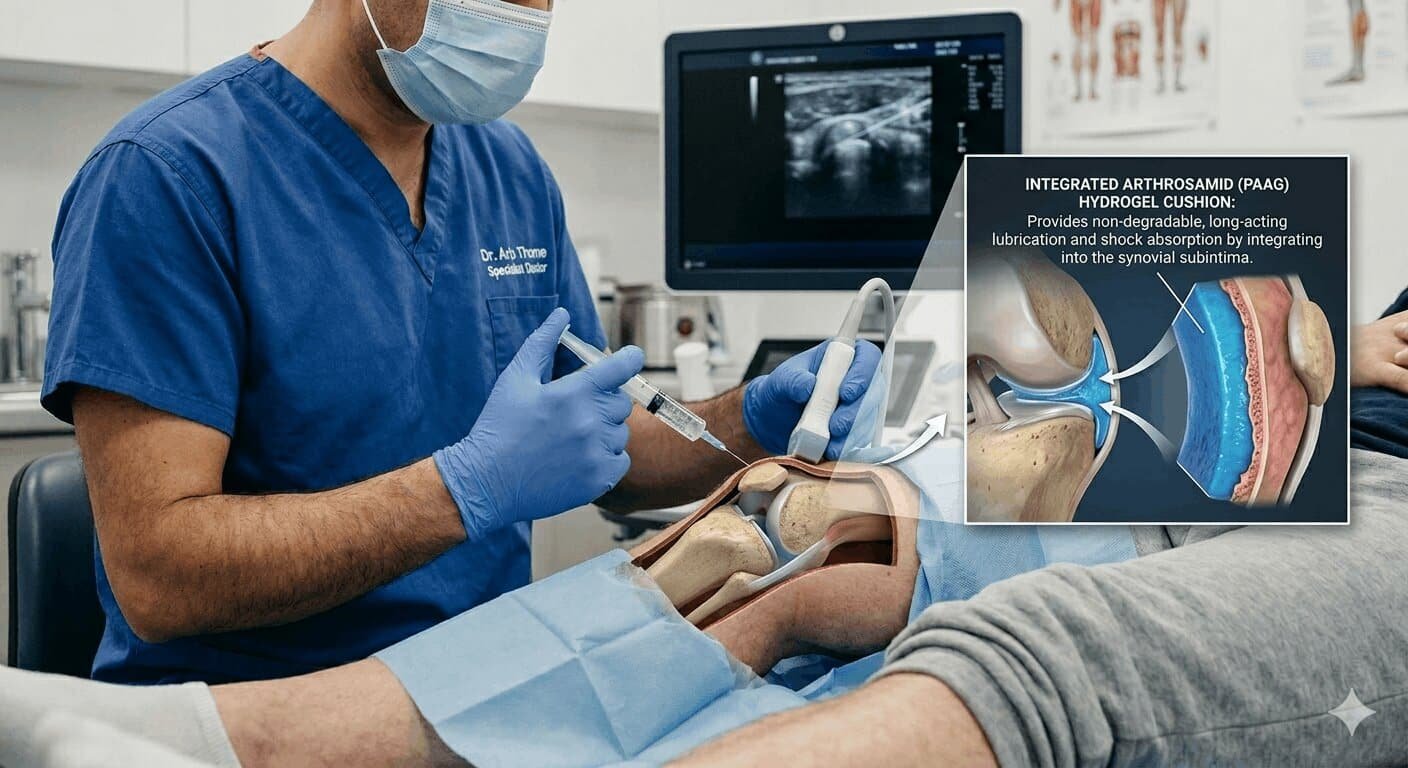
Unlike corticosteroid or hyaluronic acid injections, Arthrosamid stays in the knee long-term. The hydrogel integrates into the joint tissue, helping to reduce friction and inflammation. Patients receive it as a single injection under local anesthetic — a straightforward, clinic-based procedure done by a trained doctor.
NICE (the National Institute for Health and Care Excellence) recognizes this treatment as part of a developing field for managing knee osteoarthritis where surgery is not yet required. It focuses on improving joint function and reducing pain over time.

What Happens Before Arthrosamid Injection
Clinical Assessment
Before the injection, the doctor performs a full medical assessment, including history, examination, and imaging of the knee. The goal is to confirm that osteoarthritis — not another condition — is the cause of pain. Only patients with mild to moderate knee osteoarthritis are considered suitable.
Medical specialists ensure that symptoms, expectations, and general health align with what Arthrosamid can achieve. Blood thinning medication, infections, or severe knee deformities might make the treatment less appropriate.
Setting Realistic Goals
Patients are rarely promised instant recovery. The hydrogel requires time to integrate into the joint tissues. Relief usually builds gradually over twelve weeks, though many patients notice improvement earlier. Setting realistic expectations is essential. The focus is reduction of pain and improvement of daily function, not complete cartilage regeneration.
The Arthrosamid Injection Procedure
The injection takes place in a sterile medical setting. The doctor applies local anaesthesia, then injects 6 ml of the hydrogel directly into the joint space using ultrasound guidance. The process takes about 30 minutes.
There is no hospital stay or lengthy rehabilitation. Most patients walk immediately afterward and return home on the same day. The treated knee may feel slightly swollen for a few days — a normal response while the body adapts to the hydrogel.
After Arthrosamid Injection: Recovery and Improvement
The First Few Days
During the first week, mild discomfort, swelling, or stiffness can occur. These effects settle gradually. Doctors usually recommend avoiding heavy exercise for a few days. Normal daily activities can continue, provided they do not strain the knee.
The First Few Months
By week six, most patients describe a measurable improvement in pain and mobility. They walk longer distances, stand for longer periods, and report reduced need for oral pain medication. The gel acts as a smooth cushion, absorbing micro-shocks from daily motion.
Peer-reviewed studies published in journals and summaries available through NICE show significant pain score reductions continuing for at least twelve months after one injection. That steady trajectory of relief differentiates Arthrosamid from shorter-term alternatives.
Before and After: What the Evidence Shows
Independent trials comparing pre- and post-treatment outcomes offer valuable insight.
Before Arthrosamid, patients report persistent knee pain rated between 6 and 8 out of 10, stiffness especially in the morning, and difficulty climbing stairs. Radiology often shows narrowing of the joint space due to cartilage wear. Daily function remains limited even with physiotherapy, NSAIDs, or hyaluronic acid injections.
After Arthrosamid, 70–80% of patients in observational studies report sustained improvement for up to two years. Pain scores often reduce to around 3 or 4. Stiffness decreases, and muscle strength improves because exercise becomes manageable again. MRI scans sometimes reveal reduced joint effusion — meaning less inflammation inside the knee.
The key difference is duration of relief. Where conventional injectable treatments often fade after three to six months, Arthrosamid demonstrates benefits lasting twelve months or longer. This long-term cushioning effect is why many patients view it as a bridge between conservative therapy and total knee replacement.
Arthrosamid Injection Cost
Understanding Arthrosamid injection cost is essential when deciding on treatment. Since it is a specialist procedure, pricing can vary across clinics in the UK.
At present, the average the arthrosamid injection cost typically start from £2800 per knee. This includes consultation, imaging (if necessary), and the injection itself. Some clinics include follow-up visits in the overall price, while others charge separately. Costs may differ depending on practitioner experience and city location.
Patients searching online often use phrases such as Arthrosamid injection near me or Arthrosamid injections near me to compare services. However, quality and safety should always outweigh travel convenience or price. Arthrosamid is a medical-grade procedure requiring ultrasound-guided precision and sterile technique. It must be administered by a qualified doctor with experience in musculoskeletal or aesthetic joint care.
Those exploring Arthrosamid Injection London often find higher prices closer to Harley Street due to advanced clinical facilities and consultant-level service. Nevertheless, the procedure’s total cost is still modest compared with surgical interventions or prolonged drug therapy.

Comparing Arthrosamid to Other Joint Treatments
Arthrosamid vs. Corticosteroid Injections
Corticosteroids offer short-term relief by reducing inflammation, but their effect usually fades within weeks or a few months. Repeated use carries risks, including cartilage thinning and potential systemic effects. Arthrosamid, in contrast, provides a single, long-term cushioning action with lower systemic exposure.
Arthrosamid vs. Hyaluronic Acid
Hyaluronic acid aims to restore joint lubrication but tends to degrade quickly. The improvement, if achieved, often lasts no more than six months. Arthrosamid remains within tissues indefinitely, maintaining a physical buffer against wear.
Arthrosamid vs. Surgery
For younger or moderate osteoarthritis patients, surgery is often not yet justified. Joint replacement carries major risks and long recovery times. Arthrosamid can delay the need for surgery, preserving knee function and quality of life while maintaining mobility.
What the NHS and NICE Say
NICE (Interventional Procedures Guidance IPG 742, updated 2023) states that evidence supports using Arthrosamid under appropriate clinical governance. It highlights significant pain reduction and functional improvement for suitable patients while noting the importance of careful case selection and experienced practitioners.
The NHS website also recognizes non-surgical innovation as part of its broader strategy for managing osteoarthritis symptoms. Though Arthrosamid is not currently offered routinely within NHS hospitals, patients can access it privately in specialist clinics under consultant care.
Safety data to date shows low complication rates. Reported side effects — mostly temporary swelling, mild warmth, or discomfort — usually resolve without medical intervention.
Clinical Insights from the UK
Clinicians with experience using Arthrosamid report that patients most satisfied with outcomes share a few patterns:
- They maintain realistic expectations. Improvement is gradual, not immediate.
- They combine the injection with gentle exercise and weight management.
- They understand that Arthrosamid is not a cure, but a method to control pain and preserve function.
- They attend follow-up appointments to monitor progress and ensure proper joint mechanics.
MRI and ultrasound imaging confirm structural stability of the implant for many years post-injection, though long-term data beyond five years are still under collection.
Candid Expectations: The Realistic Outcome
It is vital to understand both the promise and the limits of Arthrosamid:
- Pain relief builds slowly over weeks, not days.
- Some patients may experience mild swelling or stiffness initially.
- Around one in five patients notice little or no improvement — this often relates to advanced arthritis or misdiagnosis.
- Benefits can persist beyond 12 months, supported by ongoing physiotherapy and lifestyle care.
The clearest benefit is enhanced daily mobility — being able to walk to the shop, climb stairs, or enjoy light exercise again without constant ache. For many, this degree of improvement counts as a life-changing adjustment.
Arthrosamid Injection Cost UK in Context
While Arthrosamid injection cost UK can seem high at first glance, comparisons help. A knee replacement can exceed £12,000 privately and involve weeks of recovery. Even multiple corticosteroid sessions across a year can approach similar pricing once repeat visits are added.
Here’s how the value compares:
| Treatment Type | Duration of Relief | Average Cost (UK) | Suitable For |
| Corticosteroid Injection | 6–12 weeks | £300–£600 | Flare-up relief |
| Hyaluronic Acid | 3–6 months | £400–£800 | Mild OA |
| Arthrosamid Injection | 12–24 months | £2,000–£2,500 | Mild–moderate OA |
| Knee Replacement Surgery | 10+ years | £12,000+ | Severe OA |
Considering the duration, reduced medication need, and preserved mobility, Arthrosamid represents a medium-term investment in comfort and lifestyle independence.
Patient Stories and Observations
Publicly available feedback describing before and after Arthrosamid often follows a consistent pattern. Before treatment, patients typically describe unpredictable pain, poor sleep due to knee throbbing, and hesitation to walk or exercise. After injection, several note a gradual but sustained reduction in daily pain and improved stability.
One common sentiment across English and European patient registries is a renewed confidence in movement. Gardening, walking the dog, or returning to light sport becomes possible again. However, success also depends on ongoing knee care—maintaining a healthy weight, following physiotherapy advice, and avoiding high-impact movement.
Safety and Longevity
Current data from over 10 years of European use (under various hydrogel brand names) suggest that Arthrosamid remains biocompatible and stable in the joint for many years. There have been no reports of systemic reactions or gel migration. The hydrogel stays in place and functions as intended.
Routine clinical precautions include using ultrasound guidance to ensure correct placement and sterile conditions to prevent infection. These measures are standard in specialist clinics, especially across London.
Who Should Avoid Arthrosamid
Patients with active joint infections, unhealed skin wounds near the injection site, or autoimmune joint disease (like rheumatoid arthritis) should not undergo the procedure. Those with extensive cartilage loss or bone collapse may not benefit much because the joint requires mechanical correction rather than cushioning.
An experienced consultant will advise accordingly. A thorough, honest consultation determines suitability better than any online self-assessment.
Living With Results
Once recovered, patients are encouraged to stay active. Walking, swimming, and cycling support muscular balance around the joint, enhancing the Arthrosamid effect. Regular, low-impact exercise keeps the knee joint well-nourished, improving long-term outcomes.
Many realize that the injection gives them time — time to enjoy mobility while delaying heavier interventions. That perspective defines realistic success with Arthrosamid.
Arthrosamid offers a new direction in the management of knee osteoarthritis. It bridges a gap between short-term relief and invasive surgery, giving patients a structured way to maintain mobility and dignity. When done by experienced hands and within proper clinical frameworks, it shows meaningful, measurable improvement.
Dr Syed Nadeem Abbas and other UK clinicians working with regenerative and aesthetic joint care recognize that education and realistic counselling are central parts of success. Patients deserve transparent information, accurate pricing, and evidence-based guidance.
Arthrosamid injection cost UK reflects both advanced material science and careful clinical delivery. For many, the resulting difference — walking comfortably again — outweighs the investment.
Read more:
Ultrasound-Guided Arthrosamid: Why Not Every Practitioner Can Do It Properly
How Long Do Arthrosamid Results Last? Cost, Evidence & What UK Patients Should Know


