
Penile rejuvenation is a term that gets used loosely — and that looseness causes confusion. It gets applied to everything from surgical implants to filler injections to PRP therapy, as if they are all variations of the same thing. They are not. The mechanisms are completely different, the risks are completely different, and the outcomes are completely different.
This guide focuses specifically on PRP-based penile rejuvenation — the P-Shot — which is the most clinically grounded, least invasive, and most widely researched non-surgical option available to men in the UK today. It covers what the treatment actually does at a biological level, which men are most likely to benefit, what the procedure involves, what you can realistically expect, and how it compares to other options. It is written to give you enough information to make an informed decision — not to sell you a treatment.
Why Men Seek Penile Rejuvenation
The reasons men look into penile rejuvenation are not always the same — and the best treatment depends entirely on what is driving the concern.
Erectile dysfunction is the most common reason. The NHS estimates that around 50% of men between 40 and 70 experience some degree of erectile dysfunction. The causes are predominantly physiological — reduced blood flow, nerve changes, hormonal shifts, and tissue quality decline that comes with age, diabetes, cardiovascular disease, or prostate treatment. Medication like Viagra or Cialis works chemically by temporarily increasing blood flow, but it does not address the underlying physiology. When medication stops delivering consistent results, or when men want an approach that targets the cause rather than the symptom, regenerative options become relevant.
Reduced sensitivity is often reported alongside erectile difficulties but is sometimes the primary concern. Men describe a gradual dulling of sensation that affects both enjoyment and responsiveness. This is typically neurogenic in origin — nerve fibre changes that accumulate over time.
Peyronie’s disease — fibrous scar tissue building up inside the penis, causing curvature, pain, and sometimes significant distress — affects around one in ten men at some point. The anti-inflammatory and tissue-remodelling properties of PRP make the P-Shot a clinically reasonable option for suitable patients.
Post-surgical changes — following prostate surgery or pelvic radiotherapy — often produce lasting effects on erectile function. These patients represent a specific group where regenerative approaches can offer meaningful support.
Confidence and function more broadly — some men are not dealing with a clinical condition but notice a gradual decline in the quality of erections and responsiveness that, while not severe, significantly affects their confidence and intimate relationships.
Understanding which of these is driving your concern matters — because it determines whether the P-Shot is genuinely the right option for your situation.
What Is the P-Shot and How Does It Work?
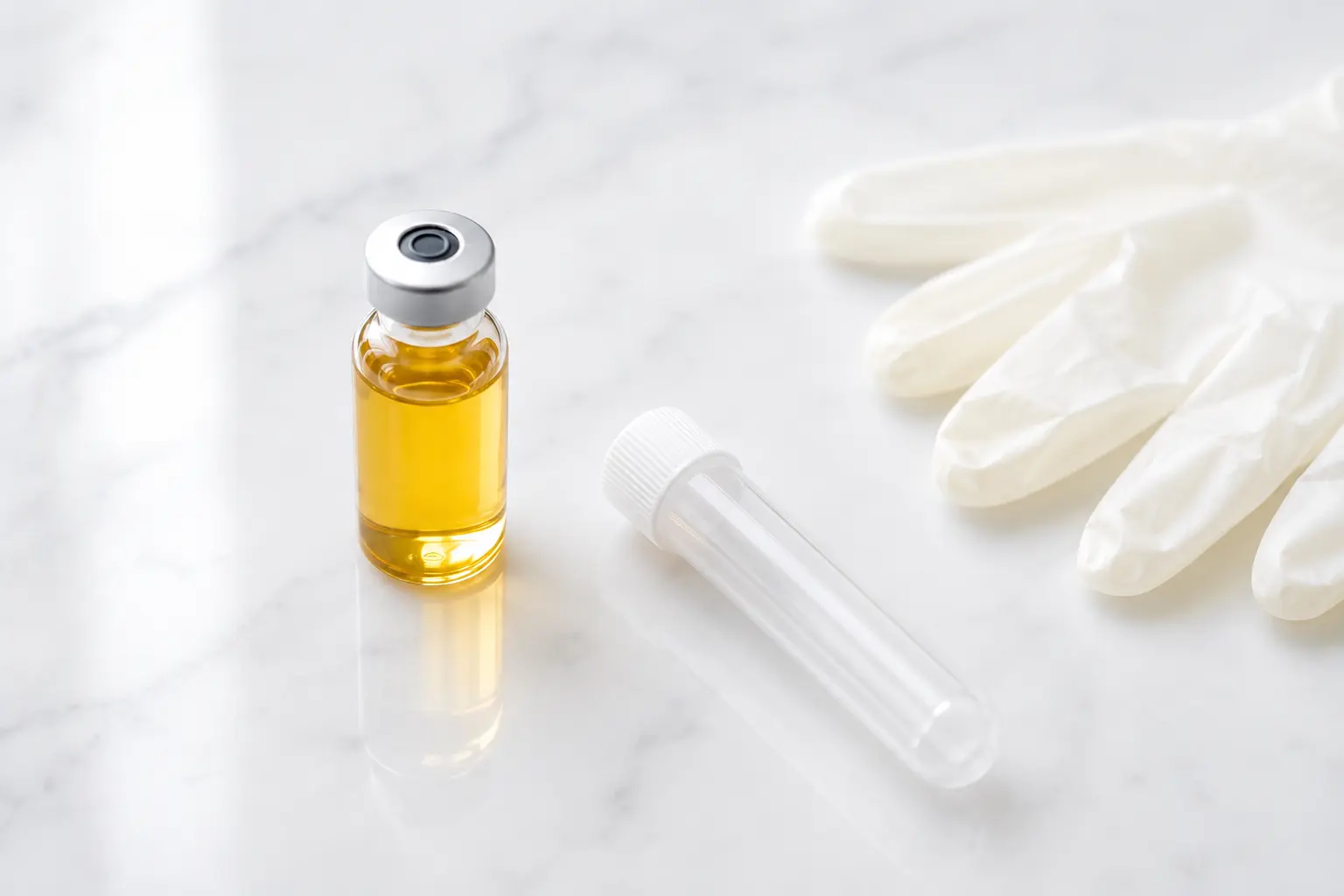
The P-Shot — formally known as the Priapus Shot — uses platelet-rich plasma (PRP) drawn from your own blood to stimulate biological repair and regeneration inside penile tissue. It was developed by Dr Charles Runels in the United States and has been used clinically for over a decade. It is not a drug, not a filler, and not a surgical procedure. Every material used in the treatment comes from your own blood.
The mechanism works through four biological processes:
Angiogenesis — PRP growth factors stimulate the formation of new capillary networks inside penile tissue. This is the primary mechanism behind improvements in erectile function. More blood vessels means more oxygenated blood reaching the corpora cavernosa — the spongy chambers that fill with blood during an erection — which translates to stronger, more reliable erections.
Neurogenesis — Growth factors in PRP, particularly nerve growth factor (NGF) and brain-derived neurotrophic factor (BDNF), support nerve fibre renewal and repair. This is where many men notice the most meaningful change: restored sensitivity and improved responsiveness that had been gradually declining.
Collagen and elastin production — PRP stimulates fibroblast activity inside treated tissue, encouraging the production of collagen and elastin — the structural proteins that give tissue its strength and elasticity. Inside the corpora cavernosa, this supports tissue quality and firmness.
Anti-inflammatory action — PRP carries well-established anti-inflammatory growth factors including TGF-β and EGF. For men with Peyronie’s disease, this anti-inflammatory action may help reduce plaque size and soften scar tissue over time.
None of these mechanisms work overnight. The P-Shot is a biological process, not an immediate fix. The new blood vessels, nerve fibres, and tissue changes take weeks to develop — which is why the results build gradually rather than appearing immediately after the procedure.
A 2021 randomised, double-blind, placebo-controlled trial published in the Journal of Sexual Medicine found that intracavernosal PRP injections produced clinically significant improvements in erectile function scores at six months — not immediately, and not universally, but meaningfully in suitable patients.
How Is the P-Shot Different From Other Penile Rejuvenation Options?
Understanding what the P-Shot is requires understanding what it is not.
Viagra and PDE5 inhibitors work by blocking the enzyme that limits blood flow to the penis during arousal. They work within an hour, last four to six hours, and need to be taken every time. They do not change anything about the underlying physiology. For many men they are a useful short-term tool, but reliance tends to increase over time as the underlying vascular decline continues.
Surgical penile implants involve placing a prosthetic device inside the penis that the patient inflates manually. They produce reliable erections but involve major surgery, a recovery period of several weeks, and permanent alteration of penile anatomy. Costs range from £8,000 to £15,000. They are reserved for men with severe, refractory erectile dysfunction where all other treatments have failed.
Penile fillers (hyaluronic acid or PMMA) add volume but do not address erectile function, sensitivity, or the underlying physiology. The evidence base is limited. Complications including lumps, asymmetry, and migration have been reported. These are not the same as the P-Shot.
Low-intensity shockwave therapy uses acoustic waves to stimulate blood vessel formation and is often combined with the P-Shot for enhanced vascular effect. We offer a combined P-Shot and shockwave therapy package at our Wimpole Street clinic for suitable patients.
The P-Shot occupies a specific and well-defined clinical space — non-surgical, drug-free, using the body’s own biology, with a mechanism that targets the physiological causes of erectile dysfunction and related concerns rather than compensating for them temporarily.
If you want to understand how the P-Shot compares to the full range of options available for erectile dysfunction, our detailed guide on erectile dysfunction treatment in the UK covers every option honestly.
What Happens During a P-Shot Appointment at Dr SNA Clinic?
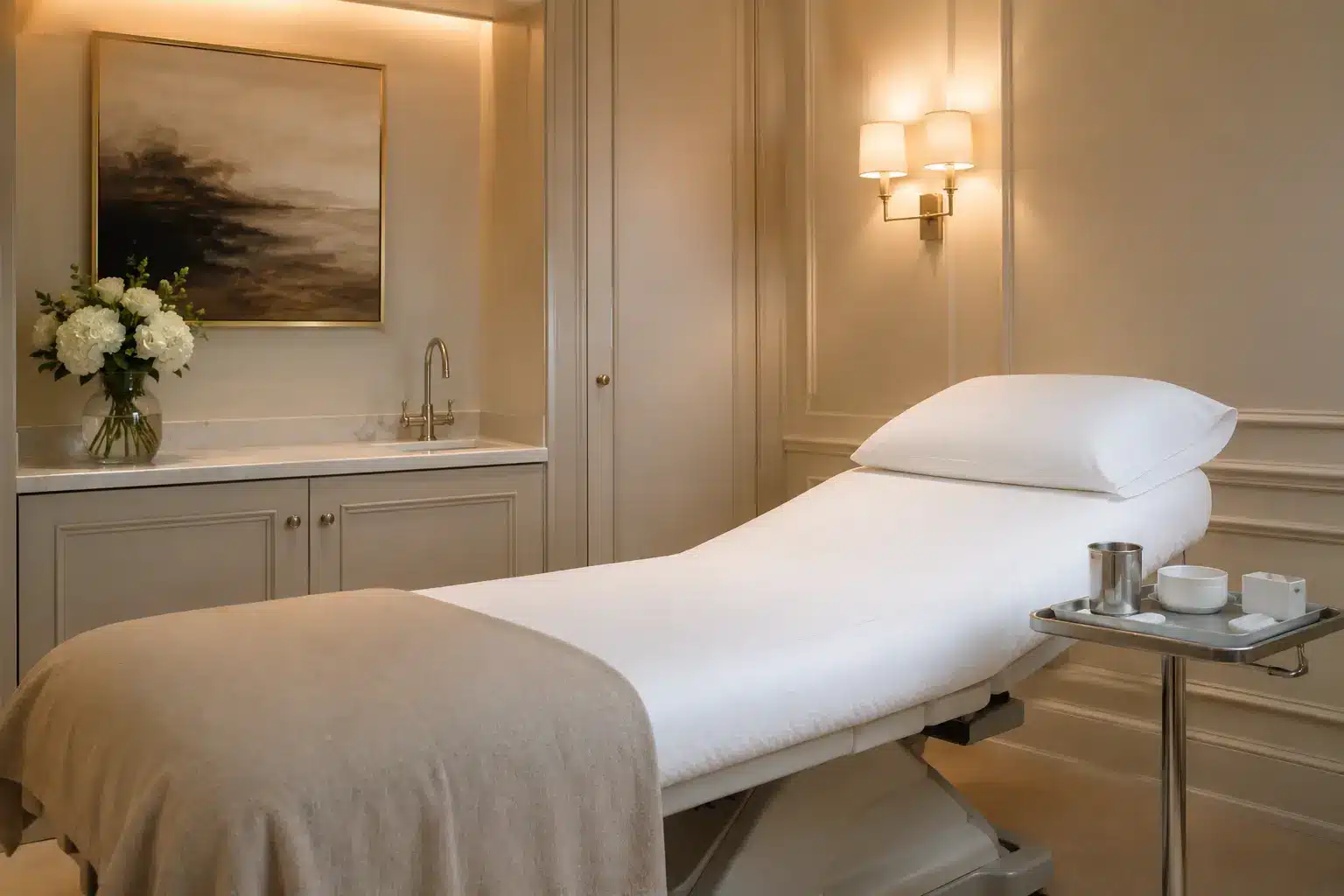
The full appointment takes between 30 and 45 minutes. There is no general anaesthetic, no surgical incision, and no recovery period required.
Preparation — You arrive at our Wimpole Street clinic and settle into a private treatment room. Topical numbing cream is applied to the treatment area. A penile nerve block is available on request for patients with a lower pain threshold — simply mention this when booking.
Blood draw — A small blood sample is taken from your arm using a sterile collection tube. The volume is similar to a routine blood test.
PRP processing — The sample goes into our medical-grade centrifuge. We use a dual-spin protocol — not the standard single-spin method used at most clinics. This concentrates the platelets to a significantly higher level, producing more active growth factors per millilitre of PRP delivered. The quality of PRP preparation directly affects what the growth factors can achieve in the treated tissue.
PRP extraction — Dr Abbas personally prepares the concentrated plasma, calibrating the volume and injection sites based on your individual anatomy and treatment goals.
Targeted injections — The PRP is administered using ultra-fine needles across four to five specific injection points. With the numbing cream applied, most men describe the sensation as mild pressure rather than pain.
Aftercare guidance — Dr Abbas walks you through your aftercare instructions before you leave. Where clinically appropriate, a medical-grade vacuum erection device is provided for home use during the early healing phase — the negative pressure supports blood flow into the tissue during the period when PRP is actively stimulating regeneration.
You leave the clinic the same day, able to drive and return to normal daily activities. We recommend avoiding sexual activity for four to five days to allow the treated tissue to settle properly. Two follow-up consultations are included — at six weeks and twelve weeks — so Dr Abbas can review your progress and discuss whether any further treatment would be beneficial.
What Results Can You Realistically Expect?
This is the most important section to read honestly. Some clinics in the UK quote figures that represent the upper end of outlier results — presented as if they were typical outcomes. That is not how we approach this.
Week 1 to 2: The treated area settles. Some men notice a mild increase in sensitivity. There are typically no visible signs that anything has taken place. Sexual activity resumes after four to five days.
Week 4: Many patients begin noticing early changes. Sensitivity often increases noticeably. Some men report stronger morning erections. Dr Abbas reviews progress at the included six-week follow-up.
Weeks 8 to 12: This is typically when the most significant improvements become apparent. Better erection quality, improved firmness, enhanced sensitivity, and restored confidence are the most consistently reported outcomes. Men with Peyronie’s disease may notice a reduction in curvature or discomfort.
12 months and beyond: Results from a single P-Shot last 12 months on average. Many men choose an annual maintenance session. The twelve-week follow-up is the right time to discuss whether a further treatment would add benefit.
On size: The P-Shot is not designed as a size enhancement procedure. Some men do notice a modest improvement in girth — typically reflecting more complete, better-quality erections rather than permanent anatomical enlargement. Where size changes occur, they are gradual, modest, and variable between individuals. Any claim of guaranteed or dramatic size increase is not supported by the evidence.
For a detailed, honest discussion of what the P-Shot can and cannot do regarding size, read our guide on how many inches the P-Shot adds — an honest answer.
Who Is the P-Shot Worth Considering For?
The men who benefit most are those with a genuine physiological component to their concerns and realistic expectations about how the treatment works.
Well suited:
- Mild to moderate vascular-related erectile dysfunction
- Reduced penile sensitivity — gradual or age-related
- Peyronie’s disease — early stage or mild fibrous changes
- Post-prostate surgery or pelvic radiotherapy
- Men who have tried PDE5 inhibitors with disappointing or declining results
- Men who prefer a drug-free, non-surgical approach
Less well suited:
- Severe erectile dysfunction where vascular disease is advanced
- Primarily psychological causes of erectile dysfunction — other therapies are more appropriate
- Men whose only concern is size enhancement with no erectile or sensitivity issues
- Men with active genital infection, bleeding disorders, or certain medical conditions
Not suitable:
- Active genital infection — must be fully resolved first
- Bleeding disorders or platelet dysfunction
- Anticoagulant therapy that cannot safely be paused
- Active cancer treatment in the pelvic region
- Known allergy to local anaesthetic
The only way to properly assess suitability is a face-to-face consultation. Dr Abbas reviews your full medical history, discusses your concerns, and gives you an honest assessment of what the P-Shot is and is not likely to achieve for your specific situation. If it is not the right option, he will tell you clearly — before any commitment is made.
For a complete breakdown of who the P-Shot is and is not appropriate for, read our detailed guide on whether the P-Shot is worth getting.
The P-Shot for Specific Conditions
Erectile Dysfunction
This is the primary clinical application of the P-Shot. For men with mild to moderate vascular-related ED, the biological mechanisms are directly relevant — new blood vessel formation, improved tissue quality, and nerve renewal all address components of the physiological picture driving the condition.
Medication works alongside the P-Shot, not against it. Many men find that PDE5 inhibitors become more effective following treatment, or that they need lower doses less frequently. The P-Shot does not replace medication for all men — but for those who want to address the underlying cause rather than rely indefinitely on a chemical bridge, it is a meaningful option.
Our full guide on the P-Shot for erectile dysfunction and what the evidence says covers the clinical research in detail.
Peyronie’s Disease
Peyronie’s disease causes fibrous scar tissue (plaque) to build up inside the penis, creating curvature, pain, and often significant psychological distress. The anti-inflammatory and tissue-remodelling properties of PRP offer a clinically reasonable rationale for treatment — growth factors may help reduce plaque size, soften the fibrous tissue, and support healthier tissue architecture over time.
Results in Peyronie’s disease are more variable than in straightforward erectile dysfunction — the degree of existing fibrosis, the stage of the condition, and how long it has been present all influence the outcome. Dr Abbas discusses individual cases honestly at consultation.
Read our dedicated guide on the P-Shot for Peyronie’s disease and what early research shows.
Diabetic Erectile Dysfunction
Diabetes is one of the leading causes of erectile dysfunction in the UK. Persistently elevated blood sugar progressively damages the small blood vessels and nerves supplying the penis — exactly the structures that the P-Shot targets through angiogenesis and neurogenesis. For diabetic men whose ED has a clear vascular component and who have found medication increasingly insufficient, the P-Shot addresses the physiological mechanism rather than masking the symptom.
For a full clinical discussion, read our guide on P-Shot treatment for diabetic erectile dysfunction.
Lichen Sclerosus
Early evidence suggests that PRP’s anti-inflammatory properties may help manage lichen sclerosus — a chronic inflammatory skin condition affecting the penis that causes skin thinning, scarring, and discomfort. The evidence base is still developing, and Dr Abbas discusses this carefully at consultation, with honest expectations set before any treatment is agreed.
Read our guide on the P-Shot for lichen sclerosus and what early research shows.
Reduced Libido
Low libido in men has both physiological and psychological dimensions. The P-Shot addresses the physical side — circulation, sensitivity, and tissue quality — which, when improved, often has a meaningful effect on confidence and desire. It is not a treatment for the psychological dimension of low libido, and where that is a significant factor, other support may be more appropriate.
Read our detailed guide on whether the P-Shot can help with low libido.
About Dr Syed Nadeem Abbas — P-Shot Expert at Dr SNA Clinic London
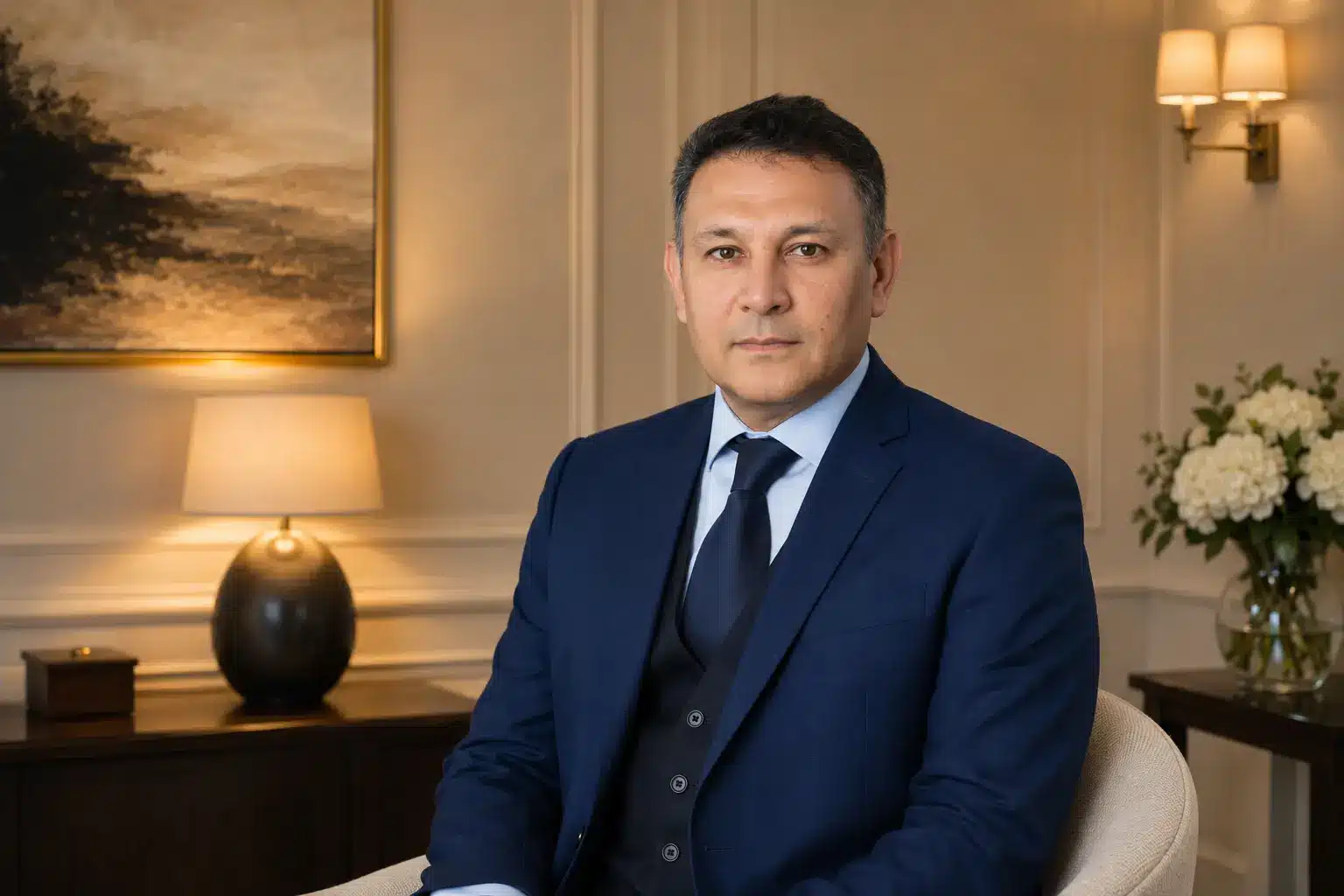
Every P-Shot at Dr SNA Clinic is performed personally by Dr Syed Nadeem Abbas, MBBS, MRCSEd, MSc (Distinction) — from the blood draw through to the final injection. He does not delegate.
Dr Abbas spent over six years in NHS Trauma and Orthopaedics at major hospitals including Cambridge and Oxford. That surgical foundation gives him a precise understanding of anatomy and tissue physiology that directly informs how he maps and places each injection. He holds postgraduate membership of the Royal College of Surgeons of Edinburgh (MRCSEd) and an MSc in Aesthetic Plastic Surgery with Distinction from Queen Mary University of London.
He holds formal P-Shot certification through the American Cellular Medical Association — making him one of a very small number of UK-based physicians with this specific credential. He uses a dual-spin centrifuge protocol that produces a significantly higher platelet concentration than standard single-spin methods. The clinic is CQC regulated, GMC registered, and holds a 4.9-star rating from 36 verified Google reviews.
Pricing and What Is Included
| Treatment | Price | What Is Included |
| Standard P-Shot | £1,250 | Dual-spin PRP, topical numbing, all injections by Dr Abbas personally, 6-week follow-up, 12-week follow-up |
| Enhanced P-Shot + Shockwave | £1,350 | Everything above plus low-intensity shockwave therapy in the same appointment |
| Initial consultation | £100 | Fully redeemable against treatment cost if you proceed |
0% finance is available to spread the cost over several months. No obligation to apply.
Booking a Consultation

The initial consultation gives you exactly what you need: time with Dr Abbas to discuss your situation, a thorough review of your medical history, and an honest assessment of whether the P-Shot is genuinely appropriate for your case — before any decision is made.
Address: 48 Wimpole Street, Marylebone, London W1G 8SF Phone: +44 7955 836986 WhatsApp: Same number Hours: Monday to Saturday, 10:00–18:00 Book online: P Shot Booking
Frequently Asked Questions
Does the P-Shot hurt? Most men describe the sensation as mild pressure rather than pain. Topical numbing cream is applied beforehand and a nerve block is available on request.
Can I get the P-Shot on the NHS? No. The P-Shot is a private treatment not currently available on the NHS.
How many sessions will I need? Most patients benefit from a single session. A second P-Shot may be considered at the twelve-week follow-up depending on individual response and goals.
Can I combine the P-Shot with shockwave therapy? Yes — and for men where vascular factors are a primary concern, the combined Enhanced P-Shot and shockwave package is often recommended. The acoustic waves enhance cellular uptake and further support blood vessel formation.
Will the P-Shot replace my ED medication? Not necessarily — and not immediately. Some men find they need medication less frequently or at lower doses following treatment. Others use the P-Shot alongside existing medication. Dr Abbas discusses this individually at consultation.
What are the side effects? Common side effects include mild swelling, temporary sensitivity, and occasional bruising — all of which resolve within 24 to 72 hours. Serious complications are rare when the procedure is performed by a qualified, GMC-registered physician in a CQC-regulated environment. For a full breakdown of risks and how common they are, read our guide on P-Shot side effects.
Dr Syed Nadeem Abbas, MBBS, MRCSEd, MSc Aesthetic Plastic Surgery (Distinction) Medical Director, Dr SNA Clinic 48 Wimpole Street, Marylebone, London W1G 8SF GMC Registered | CQC Regulated | Monday to Saturday 10:00–18:00 +44 7955 836986 | info@drsnaclinic.com


