
Most men research this question quietly, often late at night, before they ever pick up the phone. You want a straight answer, not a sales pitch dressed up as reassurance. So here it is: the P Shot involves a needle near a sensitive area, and pretending that sounds relaxing would be dishonest. But the real experience surprises most patients — numbing creams, nerve blocks, and ultra-fine needles turn what sounds terrifying into something far more manageable than the mental image suggests. This guide breaks down exactly what happens, how much discomfort you should genuinely expect, how recovery unfolds day by day, and what your appointment looks like at a London clinic that treats this procedure with the seriousness it deserves.
What Is the P Shot and Why Does Pain Come Up So Often?
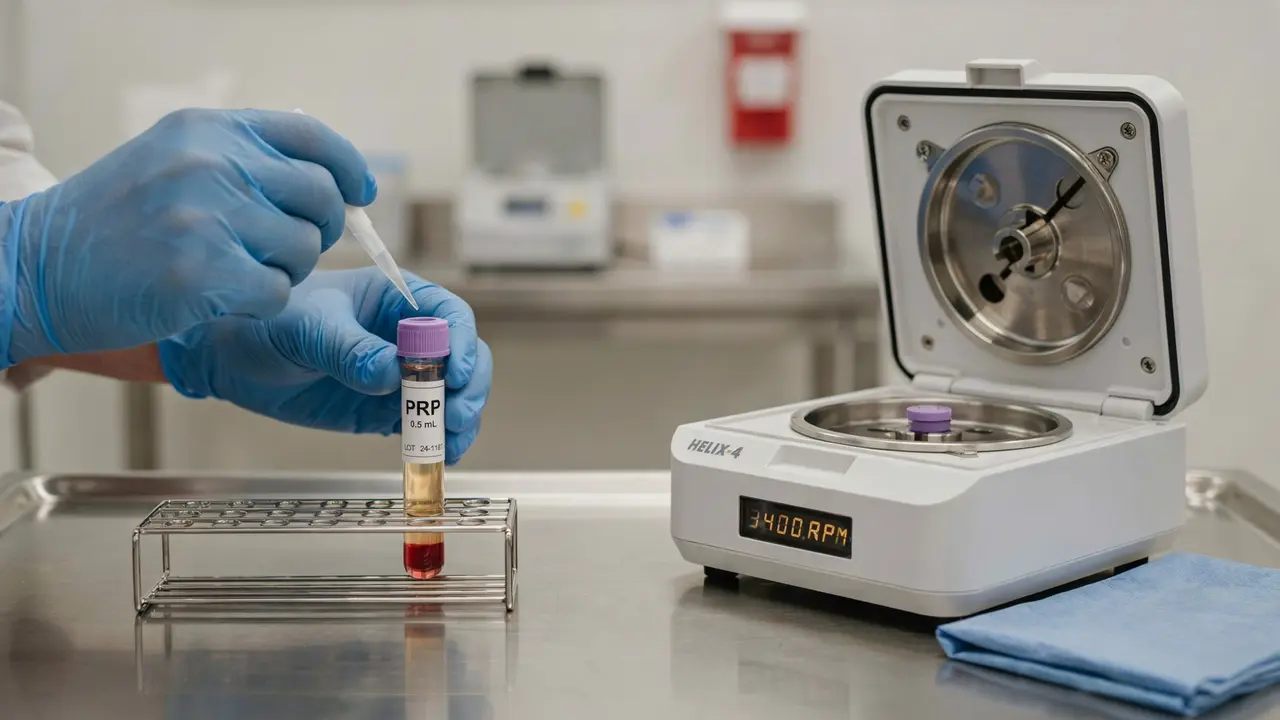
The P Shot, also called the Priapus Shot, uses platelet-rich plasma drawn from your own blood to support blood flow, sensitivity, and erectile function. Doctors spin your blood in a centrifuge, concentrate the platelets, and inject that plasma into targeted penile tissue. Because the treatment involves an injection in an intimate area, pain naturally becomes the first question every prospective patient asks.
Search engines fill up with vague reassurances like “minimal discomfort” without explaining why. That vagueness leaves men either overly anxious or unrealistically expecting zero sensation at all. Neither extreme helps you prepare properly. Understanding the actual mechanics — numbing protocols, needle gauge, and injection technique — gives you a far more useful picture than a generic soundbite.
How Much Does the P Shot Actually Hurt?
Doctors apply topical numbing cream to the treatment area well before the injection begins, and many clinics offer a penile nerve block for patients with a lower pain threshold. This preparation step changes the entire experience, turning what could be sharp pain into a dull pressure sensation instead.
The Numbing Process Before Your Injection
Numbing cream needs time to take full effect, so clinics apply it early and let it sit for several minutes while your blood sample processes in the centrifuge. This timing works in your favour: you’re not rushed, and the numbing agent has properly absorbed into the skin by the time the injections start.
What the Injection Feels Like
Patients consistently describe the sensation as pressure rather than sharp pain. Doctors use ultra-fine needles and typically place four to five injections across the treatment area, calibrated to individual anatomy. Most men say the anticipation feels worse than the actual procedure. The injection itself takes only minutes, and many patients report feeling more discomfort from the initial blood draw than from the penile injections themselves.
Comparing P Shot Discomfort to Other Procedures
If you’ve had a flu jab, a dental filling with local anaesthetic, or even a tattoo, you already have a reasonable frame of reference. The P Shot generally rates as mild to moderate on a comfort scale, and it sits well below procedures involving surgical incisions or general anaesthesia. Unlike penile implant surgery, which requires weeks of recovery, this treatment involves no cutting and no stitches. That distinction matters enormously when weighing your options for male enlargement injections cost UK-wide, since surgical alternatives carry both higher pain levels and steeper price tags.
Recovery Timeline After Your P Shot Treatment

Recovery from this treatment moves faster than most men expect, and understanding the timeline helps set realistic expectations for both comfort and results.
The First 48 Hours
Mild swelling, tenderness, or light bruising can appear during the first day or two. These effects resolve on their own without intervention. Doctors advise abstaining from sexual activity for four to five days, giving the treated tissue time to settle properly before any friction or strain.
Getting Back to Normal Life
You can drive, return to work, and resume daily activities immediately after leaving the clinic. Nobody needs to escort you home, and no one will notice you’ve had treatment. Most visible signs disappear within 24 to 48 hours, which makes this a genuinely discreet option for busy professionals.
Tips to Reduce Discomfort and Speed Recovery
A handful of practical habits make the process noticeably smoother:
- Ask about a nerve block in advance if you know you have a low pain threshold — mention it when booking rather than on the day.
- Avoid alcohol for 24 hours before your appointment, since alcohol thins the blood and can affect platelet concentration.
- Wear loose, comfortable underwear for the first day or two to avoid unnecessary friction against the treated area.
- Stay hydrated in the days leading up to treatment, as good hydration supports a smoother blood draw and healthier plasma.
- Follow the four-to-five-day abstinence window strictly rather than rushing back to sexual activity early.
These small adjustments genuinely influence how comfortable your recovery feels, and doctors will walk you through every point directly after your injections.
What Happens During Your Appointment in London
At a CQC-regulated clinic on Wimpole Street in Marylebone, the entire appointment runs for roughly 30 to 45 minutes from start to finish. You’ll never feel rushed, and every stage happens in a private treatment room. A doctor first settles you in and applies numbing cream, then draws a small blood sample from your arm, similar to a routine blood test. While the centrifuge processes your plasma over about 15 minutes, you simply relax. The doctor then extracts the concentrated platelet-rich plasma and administers the injections personally, calibrating placement to your specific anatomy and goals.
Booking a consultation first allows the treating doctor to review your medical history, discuss realistic expectations, and confirm you’re a suitable candidate before any commitment is made. If you’d rather see the process explained visually before booking, watch Dr Abbas walk through the full procedure on the clinic’s YouTube channel, which covers the injection technique and patient experiences in detail.
P Shot Price and Booking Details in London
Pricing sits at the center of most men’s research, and transparency here matters. The standard treatment costs from £1,250, which includes the consultation, dual-spin PRP processing, numbing or nerve block anesthesia, the injections themselves, and two included follow-up consultations at six and twelve weeks. An enhanced package combining the treatment with shockwave therapy costs £1,350 and suits patients where vascular factors play a larger role in erectile difficulty.
The clinic operates from 48 Wimpole Street, Marylebone, London W1G 8SF, with appointment hours running 10:00 to 18:00 UK time. 0% finance is available for patients who prefer to spread the cost across several months, and every price gets confirmed upfront with zero hidden fees. For anyone comparing priapus shot price against other regenerative treatments, this transparency stands in contrast to clinics that only reveal costs after a consultation.
If you’re ready to take the next step, you can explore full appointment details and book a consultation directly through the clinic’s dedicated treatment page.
Who Should Avoid the P Shot?
This treatment doesn’t suit everyone, and any reputable provider will say so plainly. Men with active genital infections, bleeding disorders, uncontrolled diabetes affecting platelet function, or those currently on anticoagulant therapy without medical clearance generally aren’t suitable candidates. Patients undergoing active pelvic cancer treatment should also wait until treatment concludes. A proper consultation always precedes any injection, and an honest doctor will tell you directly if this option isn’t right for your circumstances rather than pushing you toward treatment regardless.
Frequently Asked Questions
Does the P Shot hurt more than a normal injection?
No. Numbing cream and the option of a nerve block mean most patients describe pressure rather than sharp pain, comparable to or milder than a standard vaccination.
How long does discomfort last after the procedure?
Mild tenderness or swelling typically resolves within 24 to 48 hours, with no ongoing pain reported by most patients.
Can I see P shot before and after results quickly?
Early changes in sensitivity often appear within four weeks, while the most noticeable improvements in firmness and confidence tend to develop between eight and twelve weeks.
Is the priapus shot penis injection safe for regular use?
Yes, when performed by a qualified, GMC-registered doctor using sterile, single-use equipment. Many patients opt for an annual maintenance session.
Will I need time off work?
No. Most patients return to work and normal activity the same day, with no visible signs of treatment.
Final Thoughts
Fear of pain stops many men from even booking a consultation, yet the actual experience rarely matches the anxiety beforehand. Numbing protocols, skilled injection technique, and a same-day recovery window make this one of the more comfortable procedures in regenerative male health. If discomfort has been the barrier holding you back from exploring the p shot treatment, that barrier is smaller than it appears. A face-to-face consultation remains the only way to get answers specific to your body, your goals, and your medical history — with no obligation to proceed afterwards.
Related Reading from Dr SNA Clinic
- P-Shot London — Full Treatment Overview and Pricing
- P-Shot for Erectile Dysfunction: What the Evidence Says
- P-Shot for Peyronie’s Disease: What Early Research Shows
Mr Syed Nadeem Abbas, MBBS, MRCSEd, MSc Aesthetic Plastic Surgery (Distinction) Medical Director, Dr SNA Clinic 48 Wimpole Street, Marylebone, London W1G 8SF GMC Registered | CQC Regulated | Monday to Saturday 10:00–18:00 +44 7955 836986 | info@drsnaclinic.com


